Portfolio
Industrial Dyes, Pigments, Inks & Colorant Auxiliaries
Colour for manufactured surfaces and materials: coatings, plastics, print, paper, leather and ceramics. Choose by substrate and application system, then evaluate shade, dispersion, processing compatibility and the performance needed in use.
Product details
Find the right fit.
Start with your intended application and acceptance criteria. We will review the selected product identity, commercial format and supporting documents against that brief.
Specifications & availability
Catalogue inclusion is not a universal specification, stock commitment or suitability guarantee. Final identity, grade, documents, application fit, packing and availability are confirmed for each enquiry.
Request current TDS, SDS or COA information where applicable.
Explore the range
Explore this range.
10 options to explore
Organic pigments
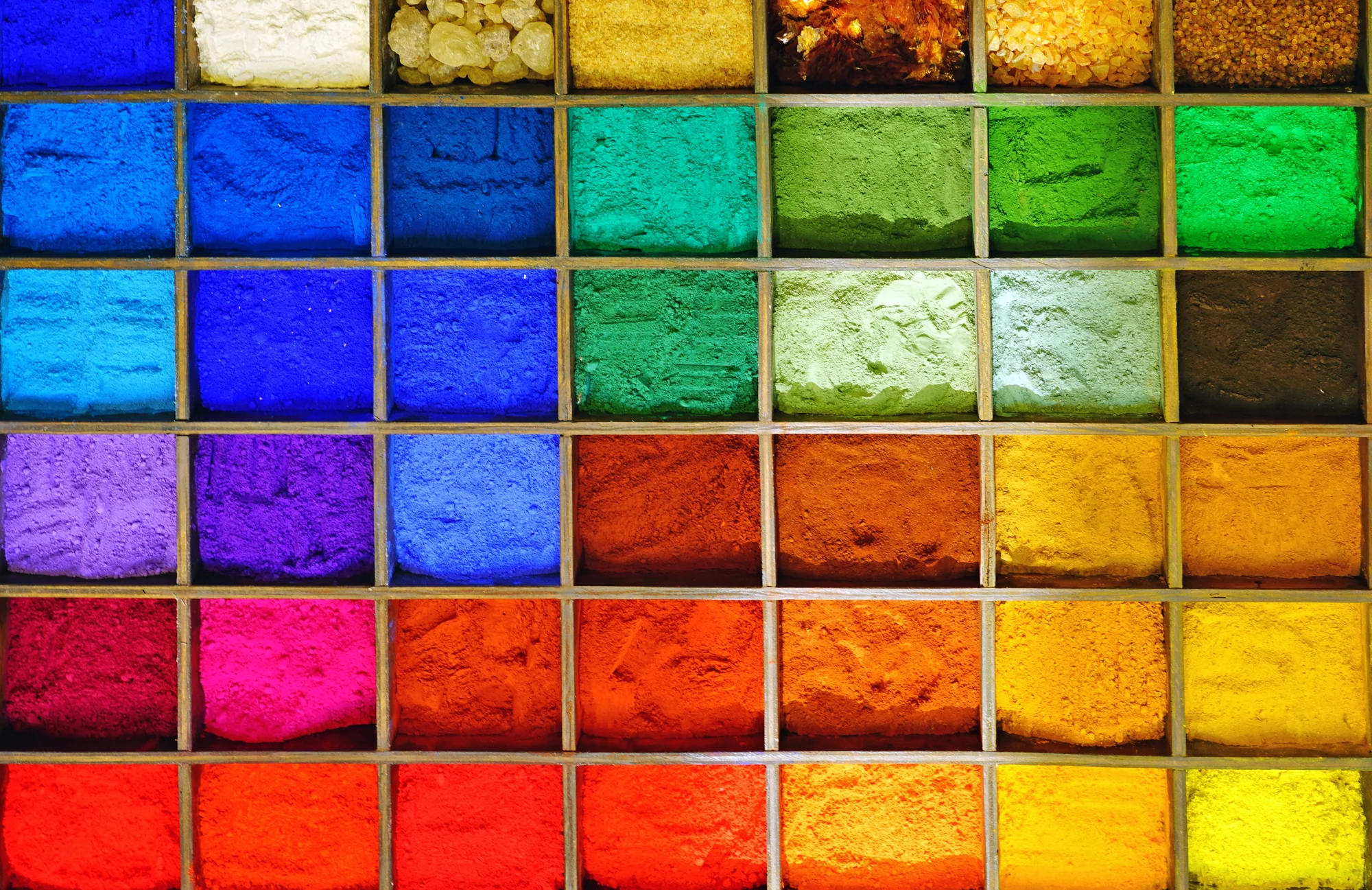
Organic pigment selection begins with the application system and shade. Compare the required dispersion, processing and end-use performance against an approved colour reference.
Explore the range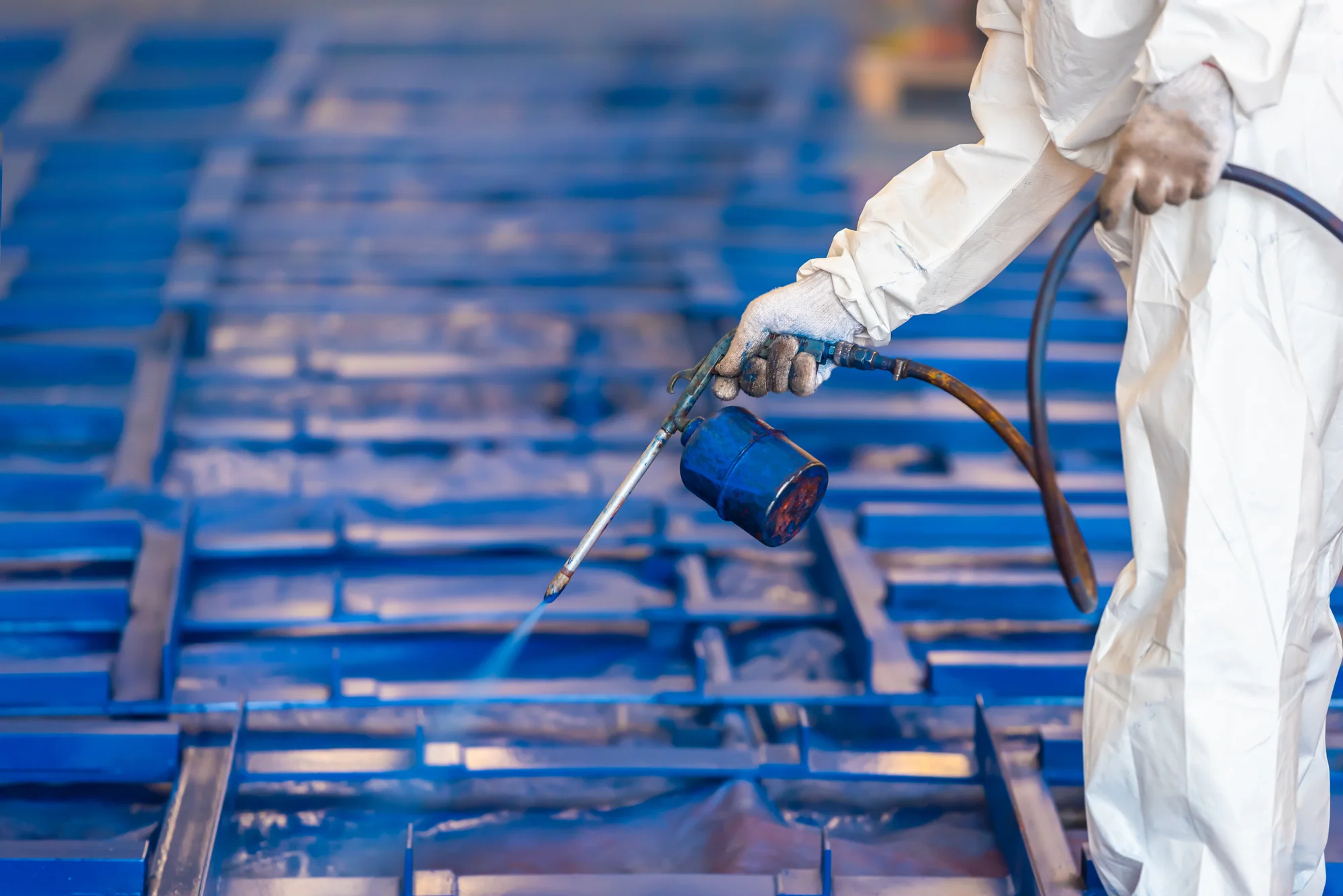
Inorganic and anticorrosive pigments
Mineral and protective pigment programmes serve different coating, construction and ceramic needs. State whether colour, opacity or protective performance is the main requirement.
Explore the range
Pigment dispersions and colour pastes
A ready dispersion must fit the carrier and formulation it enters. Assess shade, strength and compatibility together with the dosing and mixing process.
Explore the range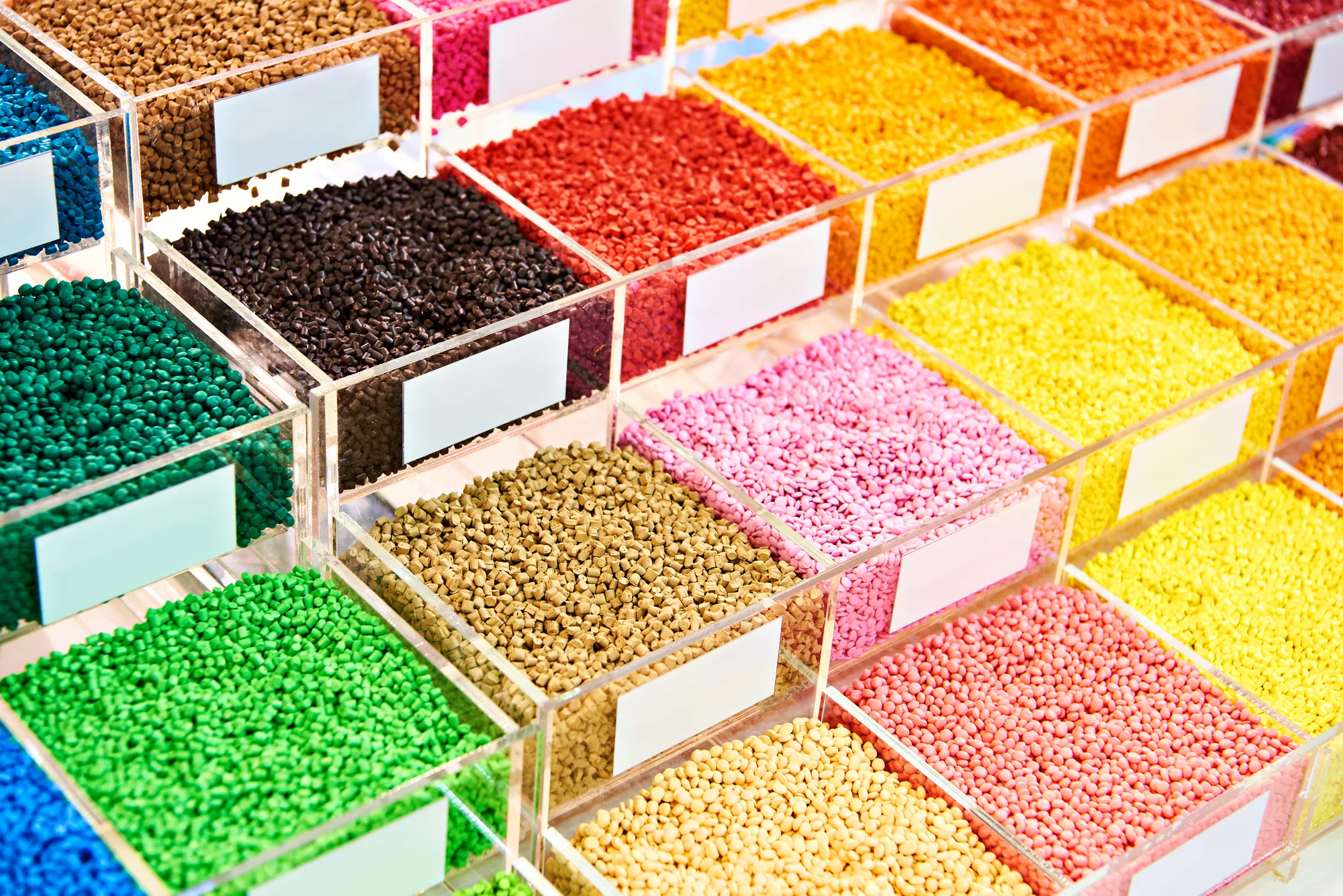
Plastic colourants and masterbatches
Colour concentrates are selected for a polymer and a conversion process. Begin with the resin, let-down requirement and finished article's colour and compliance brief.
Explore the range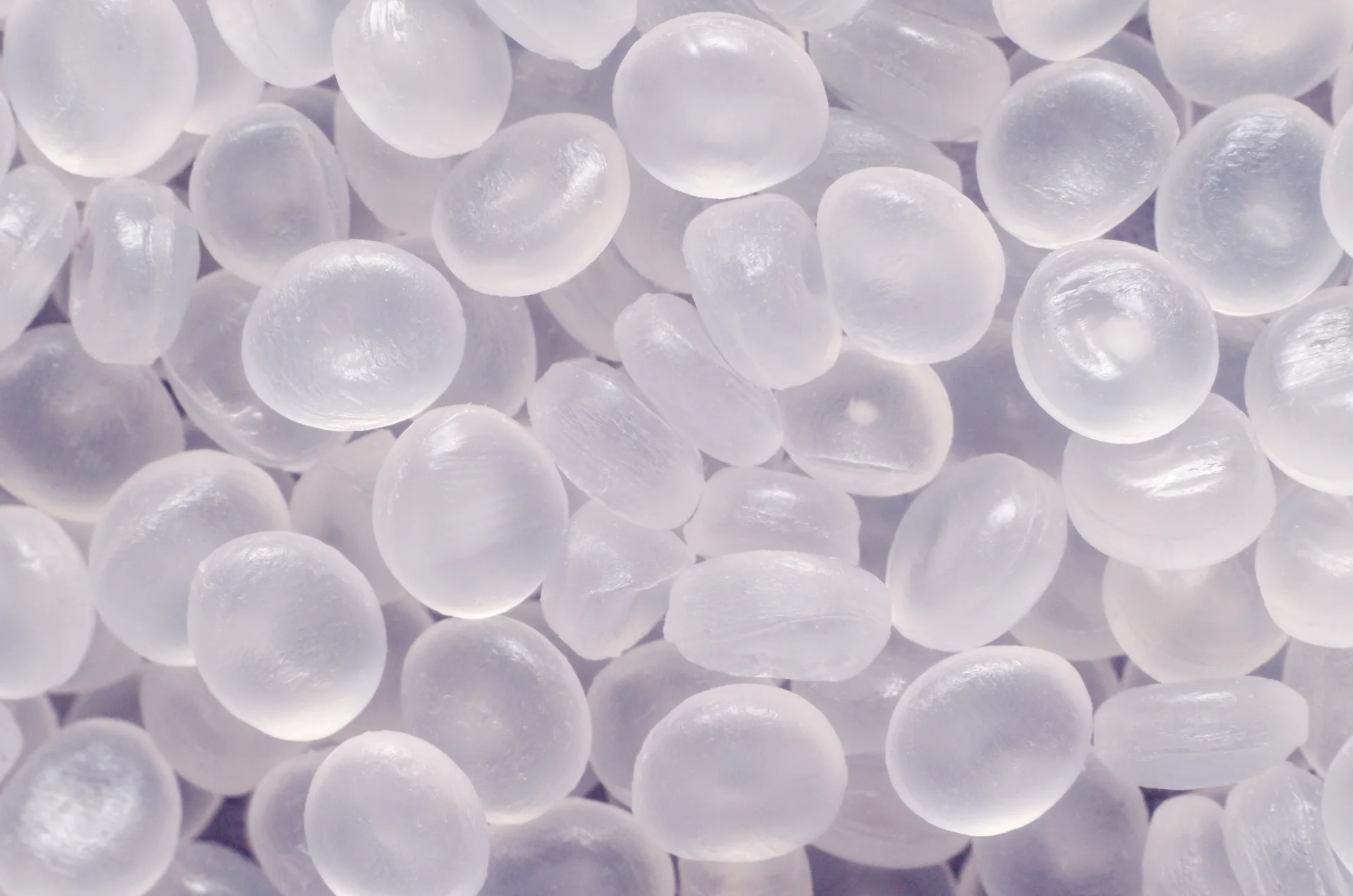
Functional additive masterbatches
Additive concentrates address a specific need in the finished plastic article. Define the function and its test method alongside resin and processing conditions.
Explore the range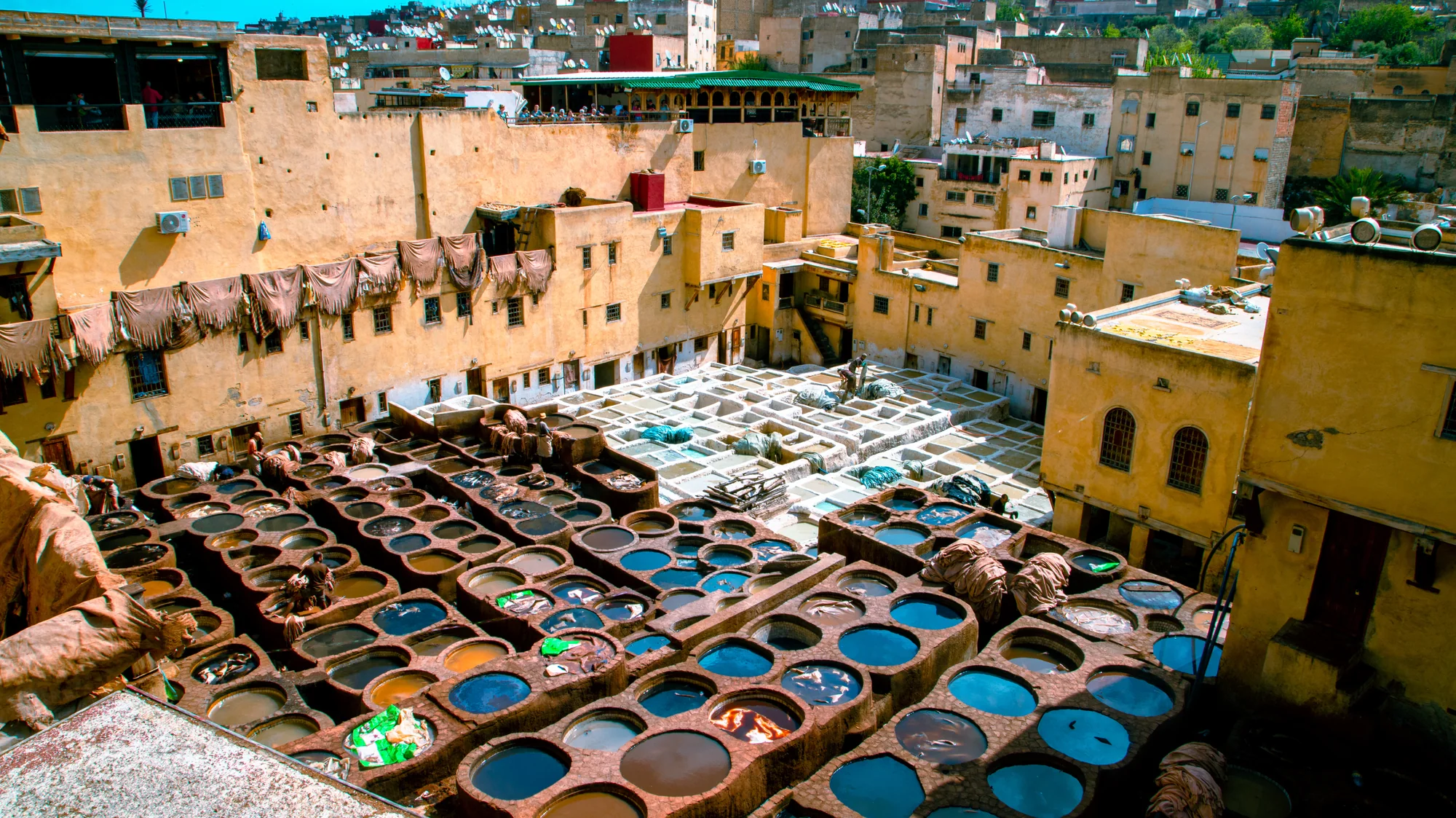
Industrial, paper and leather dyes
Paper, leather and polymer colour systems have distinct application routes. Match the colour preparation to the substrate and process before evaluating the shade.
Explore the range
Printing inks
Select an ink system for the press, substrate and package or printed article. Drying or curing conditions and downstream use are part of the colour brief.
Explore the range
Ink and coating auxiliaries
Auxiliaries and overprint systems influence the finished surface as well as the process. Clarify the binder system and the effect to be achieved before selecting an input.
Explore the range
Paper optical brighteners
Paper brightening should be evaluated at the intended application stage. Define the paper grade, appearance target and compatibility requirements before comparing preparations.
Explore the range
Ceramic-processing auxiliaries
Ceramic inputs need to fit the body, slurry and processing route. Specify material identity and processing requirements separately from final fired appearance.
Explore the range