Portfolio
Textile Dyes, Chemicals & Auxiliaries
Follow the textile process from preparation to final finish. This portfolio brings together colourants and auxiliaries for spinning, sizing, pretreatment, dyeing, printing and finishing—so product selection can start with the fibre and the production line.
Product details
Find the right fit.
Start with your intended application and acceptance criteria. We will review the selected product identity, commercial format and supporting documents against that brief.
Specifications & availability
Catalogue inclusion is not a universal specification, stock commitment or suitability guarantee. Final identity, grade, documents, application fit, packing and availability are confirmed for each enquiry.
Request current TDS, SDS or COA information where applicable.
Explore the range
Explore this range.
18 options to explore

Fiber and spinning
Spinning and thread inputs are selected around fibre, equipment and downstream processing. State the production stage and the handling behaviour required from the treatment.
Explore the range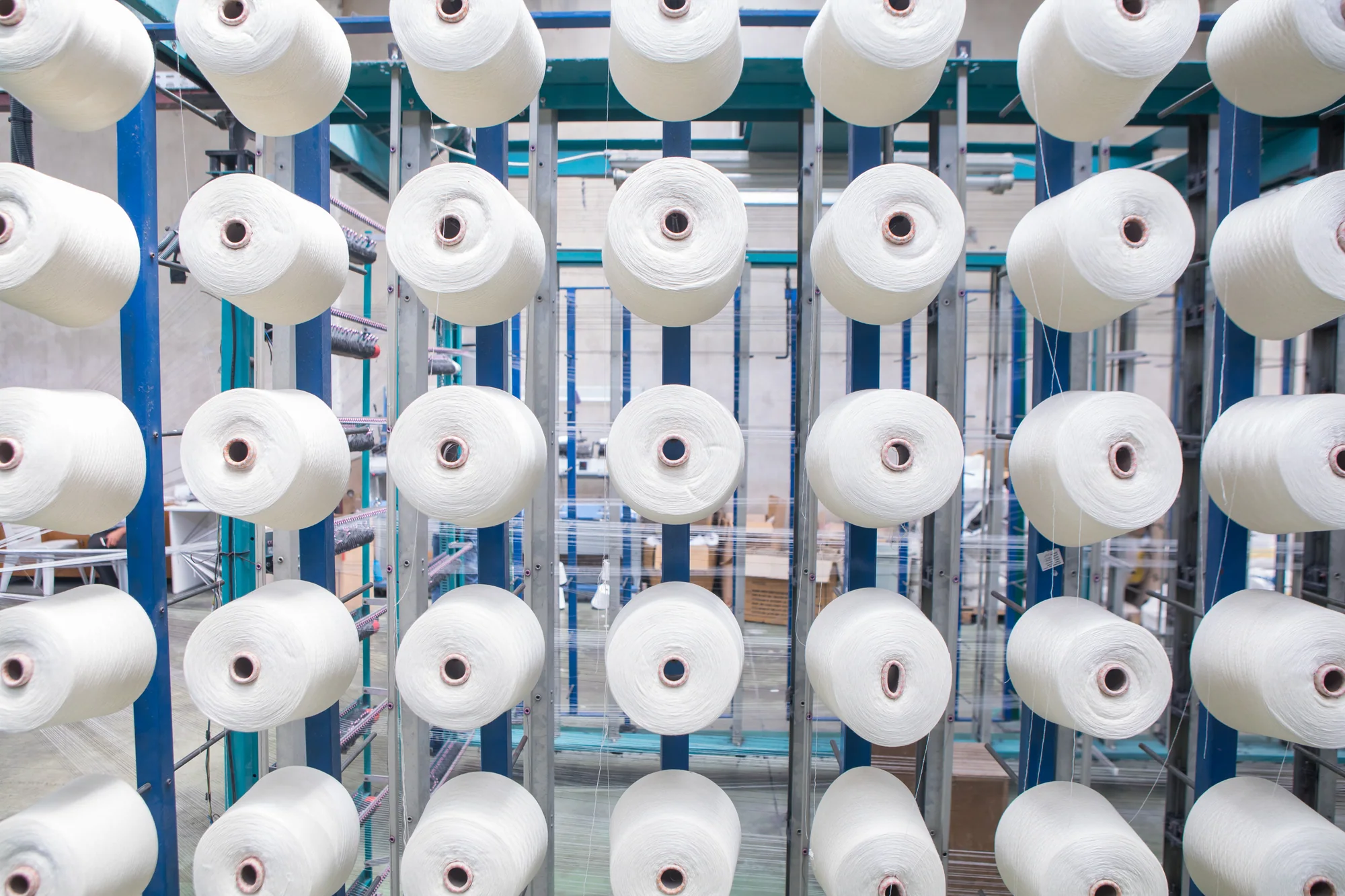
Sizing
Choose the warp-sizing system around yarn composition and the weaving process. Preparation, application and subsequent removal should be considered together.
Explore the range
Desizing
Removal begins with knowing the size that was applied. Compare desizing options against substrate, processing conditions and the cleanliness required for the next stage.
Explore the range
Scouring and pretreatment
A consistent dyeing or finishing result starts with the prepared substrate. Match wetting, cleaning and metal-control inputs to the fabric and water conditions.
Explore the range
Bleaching
Bleaching auxiliaries should be assessed as part of the complete preparation route. Align the substrate, bleaching system and residual-chemical requirements before the next process.
Explore the range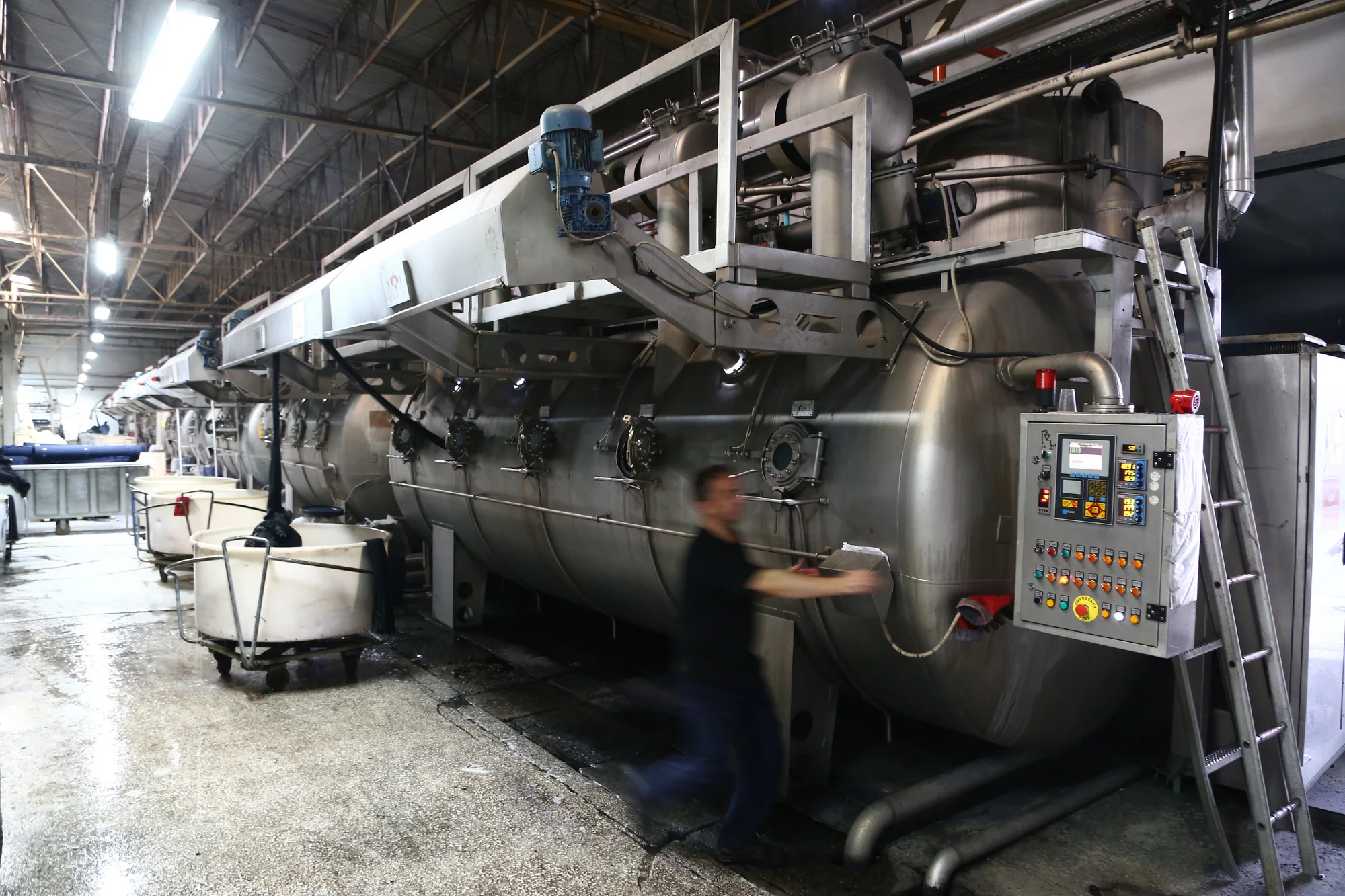
Mercerizing and neutralizing
Alkali treatment and neutralisation require a clear process specification. Select the material and supporting agents around the fibre, equipment and required final condition.
Explore the range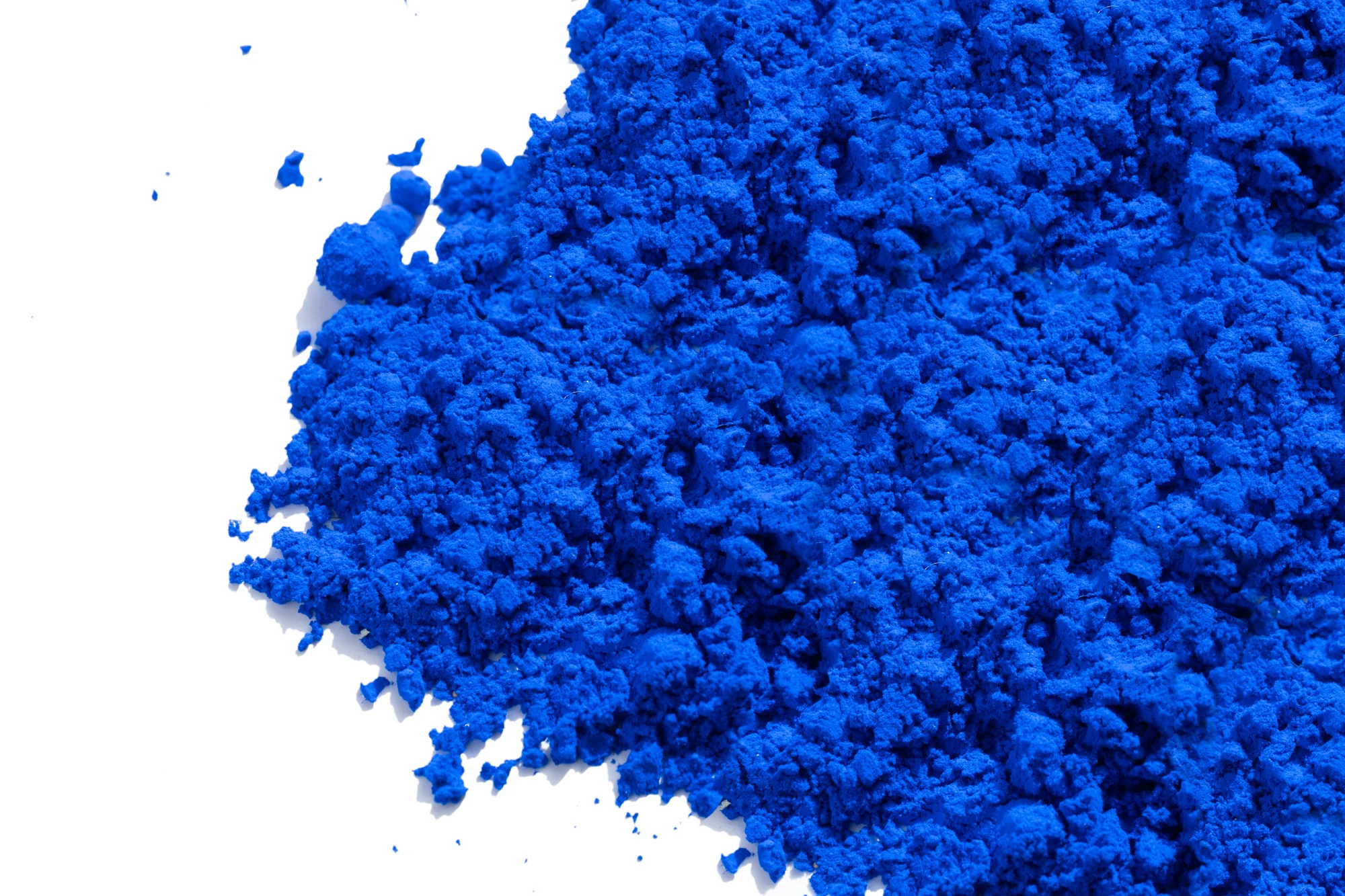
Dyes and pigments
Start with the fibre or substrate, then the colour class and application route. Shade matching, process compatibility and required fastness determine the evaluation brief.
Explore the range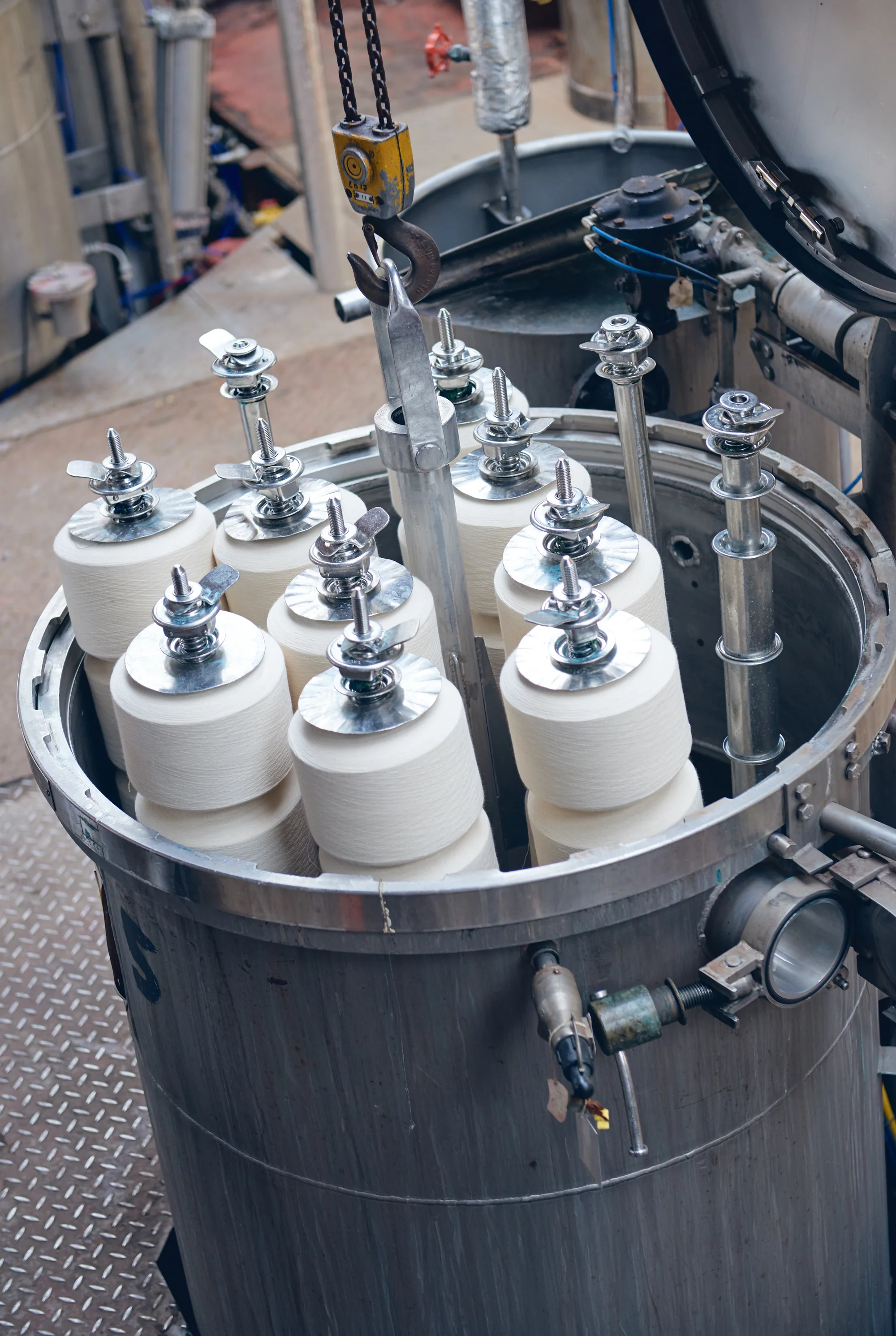
Dyeing auxiliaries
Auxiliaries support a specific stage of the dyeing process. Identify whether the requirement concerns wetting, dispersion, levelling, lubrication or fixation before selecting a grade.
Explore the range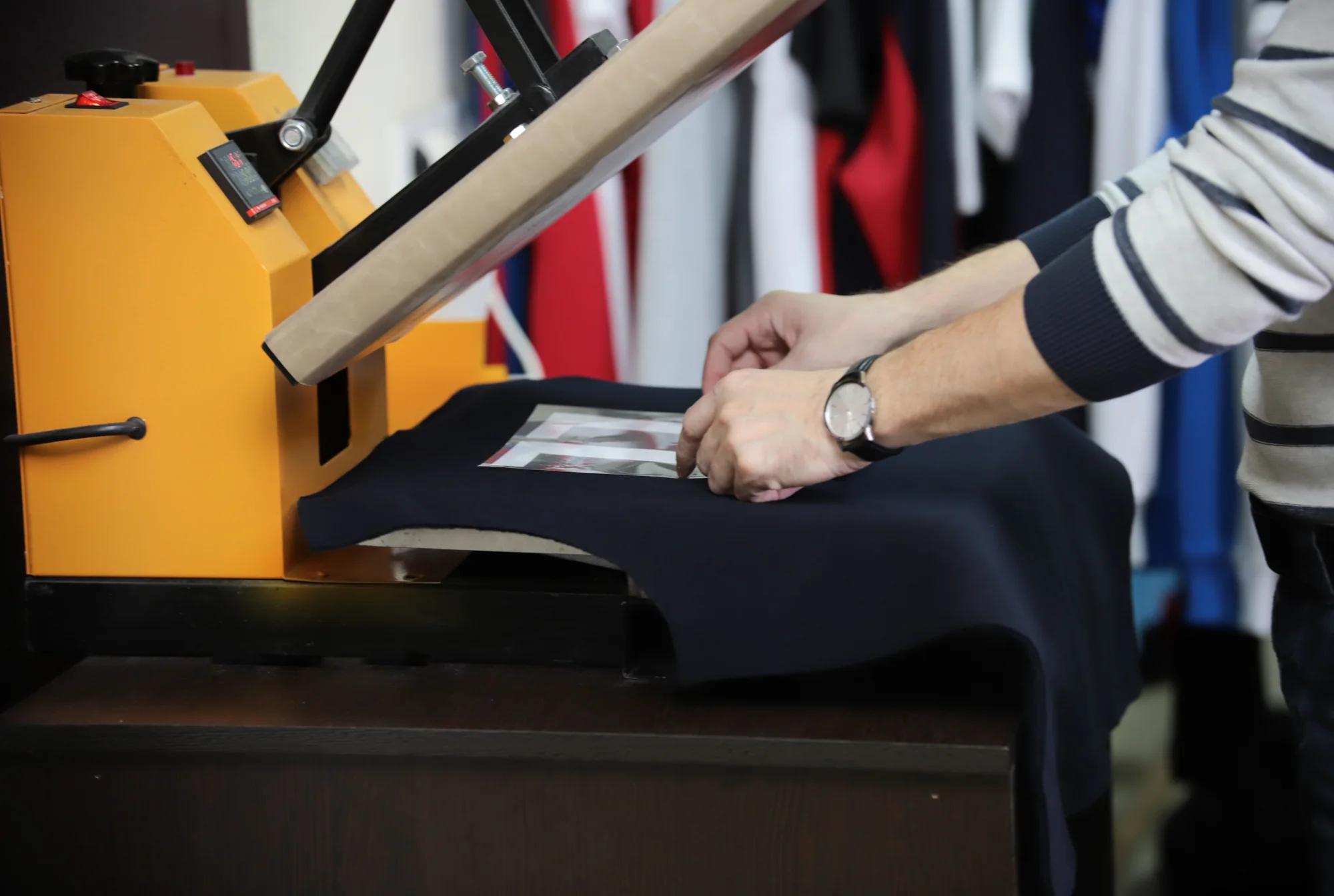
Printing
Printing inputs must work with the substrate, print method and curing or fixation route. Build the brief around the complete system, from colour to binder and final handle.
Explore the range
Washing-off and after-treatment
After-treatment bridges colour application and the finished article. Define the dye system and the shade, cleanliness or fastness result to be checked after processing.
Explore the range
Textile enzymes
Enzyme programmes depend on the substrate and operating window. Match the intended treatment to the process conditions and the point at which enzyme activity must be stopped.
Explore the range
General finishing
A finish is judged on the fabric, not in isolation. Compare handle, appearance and functional targets using the intended substrate and application process.
Explore the range
Functional and protective finishes
Define the end-use requirement and test method before selecting a functional finish. Performance claims should follow the treated article and its validation programme.
Explore the range
Coating, laminating and adhesives
Coating and bonding systems need to match both surfaces and the production line. Clarify the substrate, cure route and final bond or film requirements.
Explore the range
Denim and garment processing
Garment effects depend on the starting fabric and the process sequence. Select treatment inputs against a reference wash, desired shade and approved finished appearance.
Explore the range
Process-control and utility chemicals
Utility chemicals address the conditions that keep a textile line consistent. Define the control requirement—such as pH, foam or cleaning—before selecting the material.
Explore the range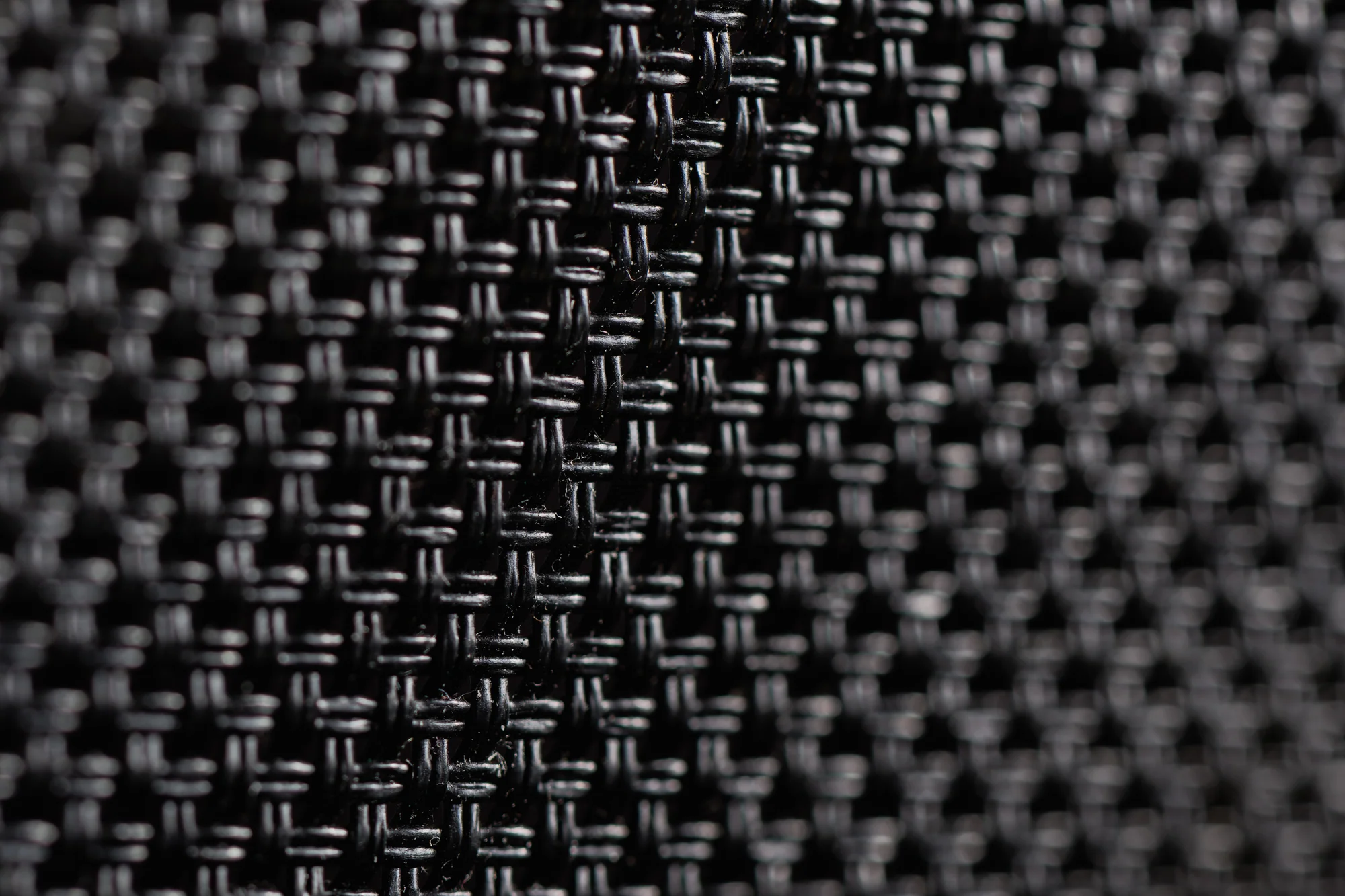
Technical-textile chemicals
Technical-textile inputs should be evaluated against the finished article's specification. The substrate, application route and test requirements set the basis for selection.
Explore the range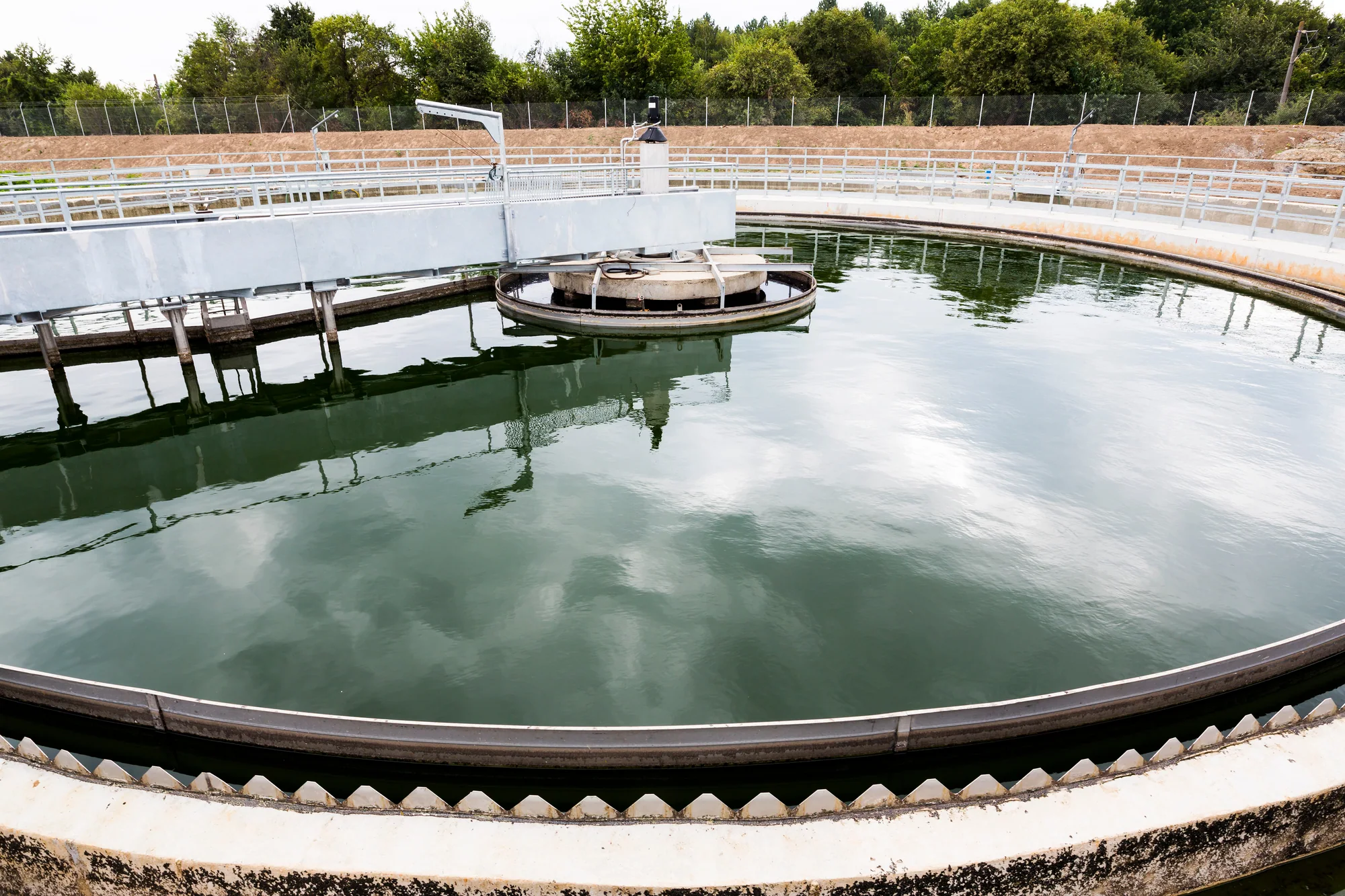
Wastewater-treatment chemicals
Treatment chemicals must suit the actual effluent and treatment train. Use water analysis and plant conditions to define an evaluation rather than choosing on product name alone.
Explore the range