Portfolio
Detergent & Cleaning Raw Materials
Construct the cleaning system by function: primary detergency, wetting, alkalinity, water conditioning, foam control and finishing. Compare raw-material families before defining the concentration, compatibility and finished-product performance your formulation needs.
Product details
Find the right fit.
Start with your intended application and acceptance criteria. We will review the selected product identity, commercial format and supporting documents against that brief.
Specifications & availability
Catalogue inclusion is not a universal specification, stock commitment or suitability guarantee. Final identity, grade, documents, application fit, packing and availability are confirmed for each enquiry.
Request current TDS, SDS or COA information where applicable.
Explore the range
Explore this range.
14 options to explore
Anionic surfactants
Anionic materials form part of the detergency, wetting and foaming system. Compare chemistry, active content and physical form within the complete cleaning formulation.
Explore the range
Nonionic surfactants
Nonionic surfactants are selected around the cleaning, emulsification and foam profile required. Identify the formulation conditions before comparing the available chemical types.
Explore the range
Amphoteric surfactants
Amphoteric materials contribute to a wider surfactant system. Assess concentration, composition and interactions with the other ingredients rather than choosing by trade name alone.
Explore the range
Alkanolamides and foam boosters
Secondary surfactant inputs are chosen for a particular foam and rheology brief. Confirm the exact chemistry and destination-market formulation constraints.
Explore the range
Soap noodles and bases
Start a bar-soap programme with the base that matches its intended use. Compare composition, appearance and processing needs before adding fragrance, colour and other ingredients.
Explore the range
Basic oleochemicals
Fatty acids and alcohols act as formulation inputs and feedstocks. Specify the exact cut or composition and the analytical properties that matter to your process.
Explore the range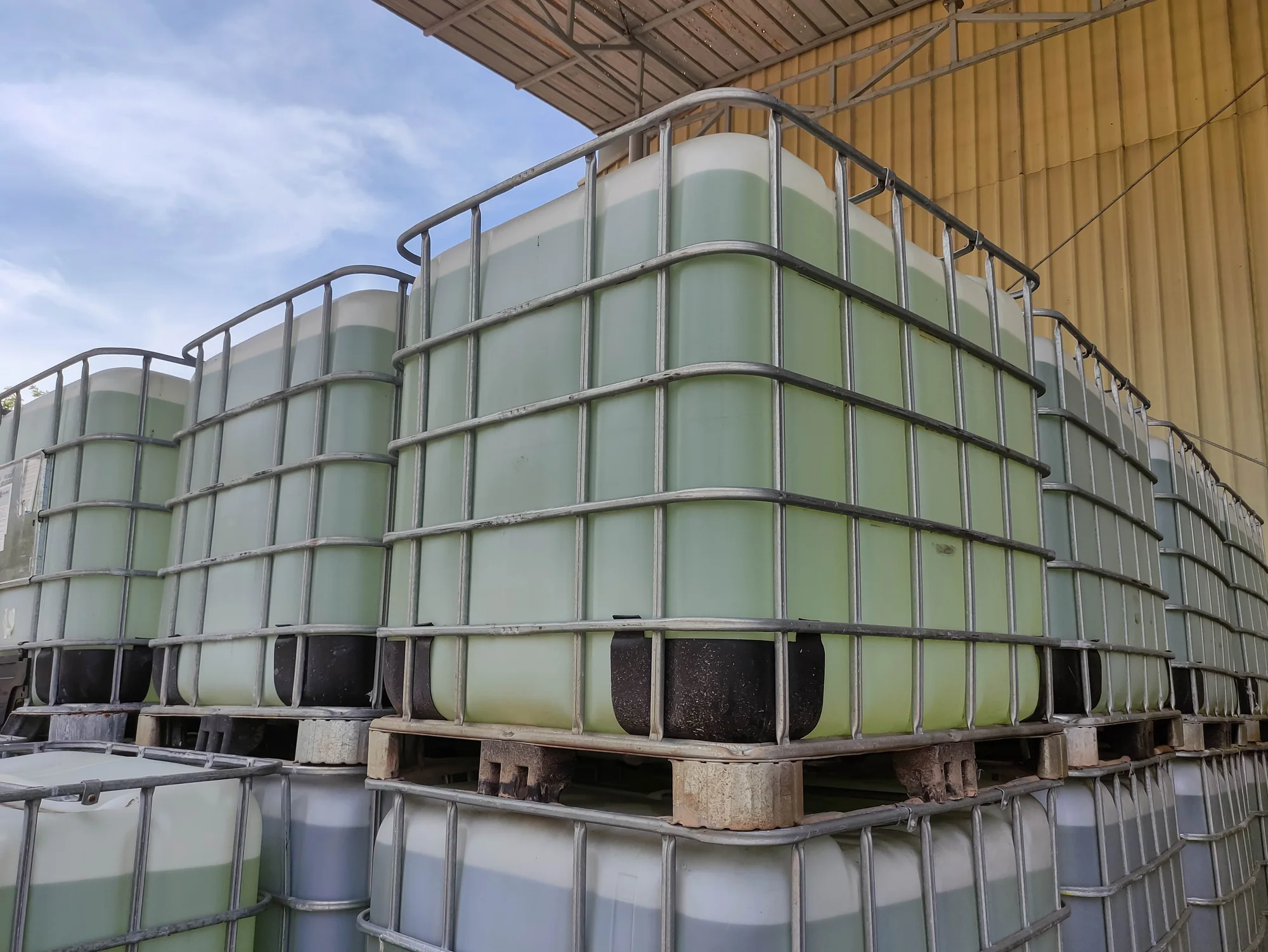
Alkalis and neutralizers
Choose the neutralising or alkaline material around the process chemistry and supplied concentration. Define the target formulation or process condition before procurement.
Explore the range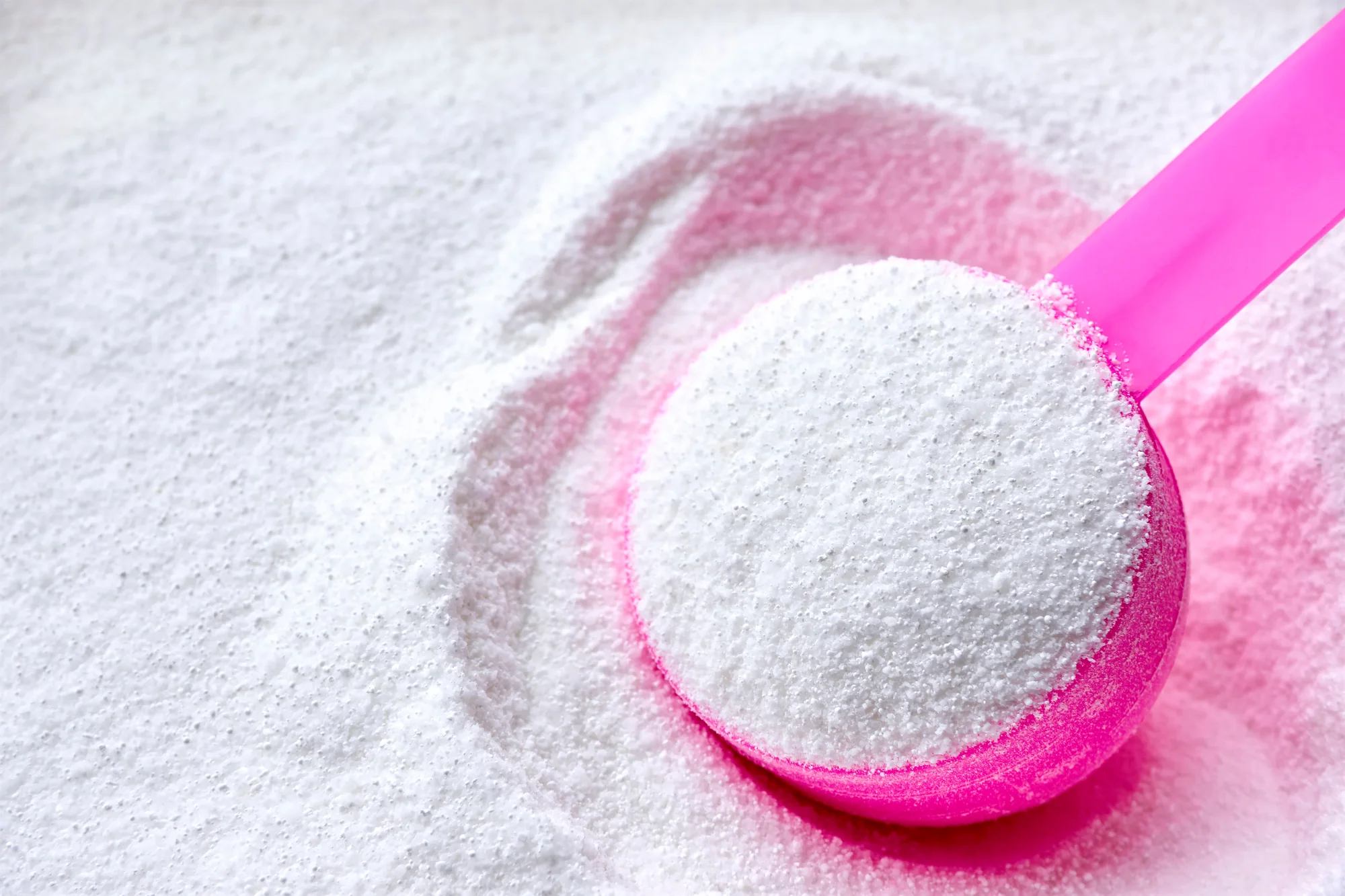
Builders and sequestrants
Water-conditioning inputs support the performance of the whole detergent system. Use the formulation and water conditions to define the material and evaluation criteria.
Explore the range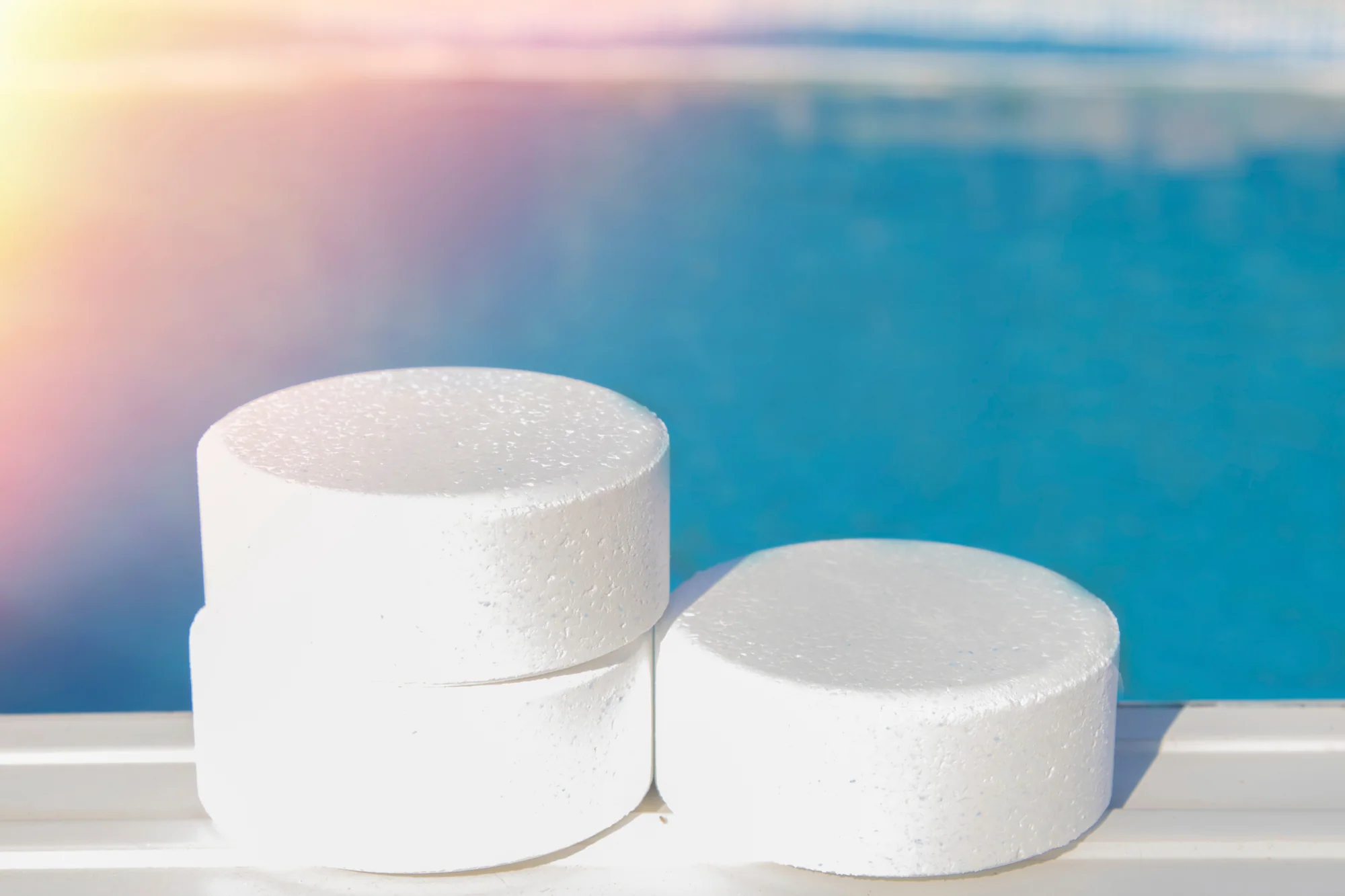
Chlorine bleaching materials
Chlorine-based raw materials require grade-specific specification and handling review. Any disinfectant claim belongs to a separately validated and authorised finished product.
Explore the range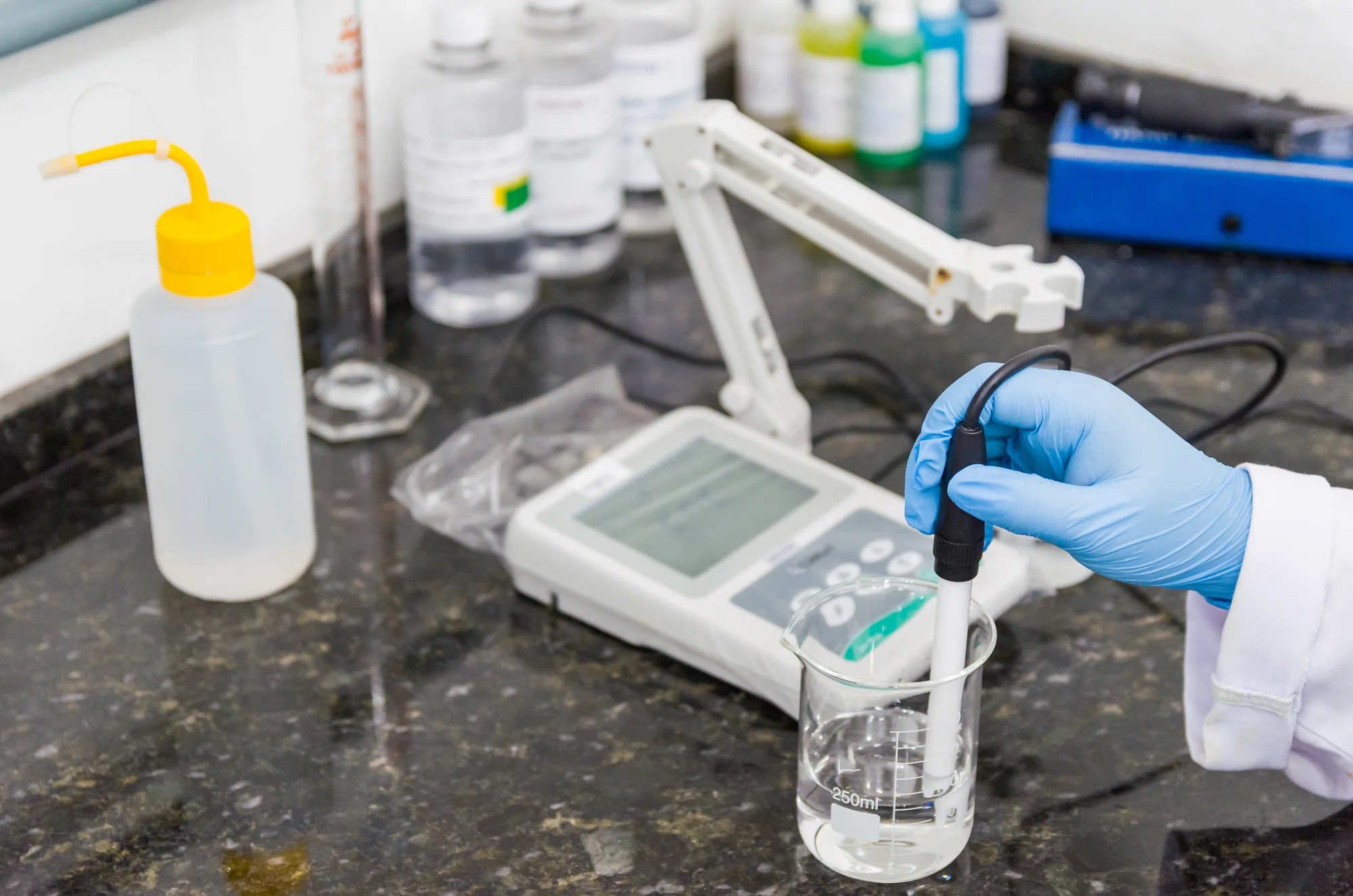
Acids and pH adjusters
Acid selection depends on the substrate, process and formulation it will enter. Agree chemical identity and concentration alongside compatibility and handling requirements.
Explore the range
Solvents, carriers and humectants
The carrier can influence formulation compatibility and handling as much as the active ingredient. Select the exact material for the intended solubilising, carrying or moisture-control role.
Explore the range
Foam-control additives
Foam control needs to be evaluated under the actual operating conditions. Select an antifoam preparation around the formulation, process and required final appearance.
Explore the range
Mineral fillers and abrasives
Particle properties distinguish a filler from a suitable scouring ingredient. Match mineral identity, size and form to the cleaning product and surface it will contact.
Explore the range
Fragrances and aroma materials
A fragrance should be assessed in the finished cleaning base. Agree the olfactory reference, compatibility and required ingredient documentation for the intended market.
Explore the range